
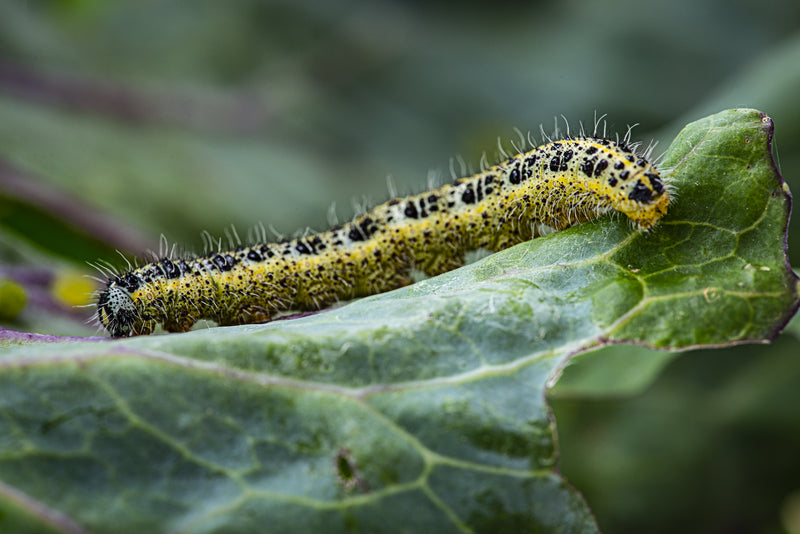
Feeding the hungry caterpillars
We enjoy watching butterflies and moths flitting about our gardens but often resent their larvae (caterpillars) from munching on our plants.
Non the less caterpillars themselves are an important part of the garden food chain, especially as a food source for blue tits and robins, as well as other birds and insects such as spiders and beetles. Parasitic flies and wasps use them as hosts, laying their eggs in the soft tissue.
Butterflies and moths are selective where they lay their eggs. Hot sunny weather and warm nights are a boon but prolonged drought can wreak havoc. The plants die off leaving no food to feed the newly hatched caterpillars.
Not only do we need to sow and grow nectar rich flowers to feed the adult butterflies and moths but also provide nursery plants for them to lay their eggs for the next generation.
Native plants such as nettles, grasses and shrubs like holly and buckthorn are often mooted as crucial for supporting insect populations. Leaving areas of leaf litter and long grass provides overwintering sites for caterpillars and pupae.

- Nettles encourage red admirals, commas, peacocks and small tortoiseshell.
- Grasses for gatekeeper, meadow brown and skipper
- Dog roses attract moths
- Nasturtium for large white, small white and green veined white
- Bird's Foot Trefoil for the common blue
Other beneficial plants include wild mignonette, lady's' smock, sea kale, wild marjoram, comfrey and garlic mustard..
The cabbage white butterfly and cabbage moth home in on our brassicas. Protect your most precious plants and harvest with physical barriers. Avoid pesticides which can harm caterpillars and other beneficial insects.