
Reducing the Use of Plastic in my Garden
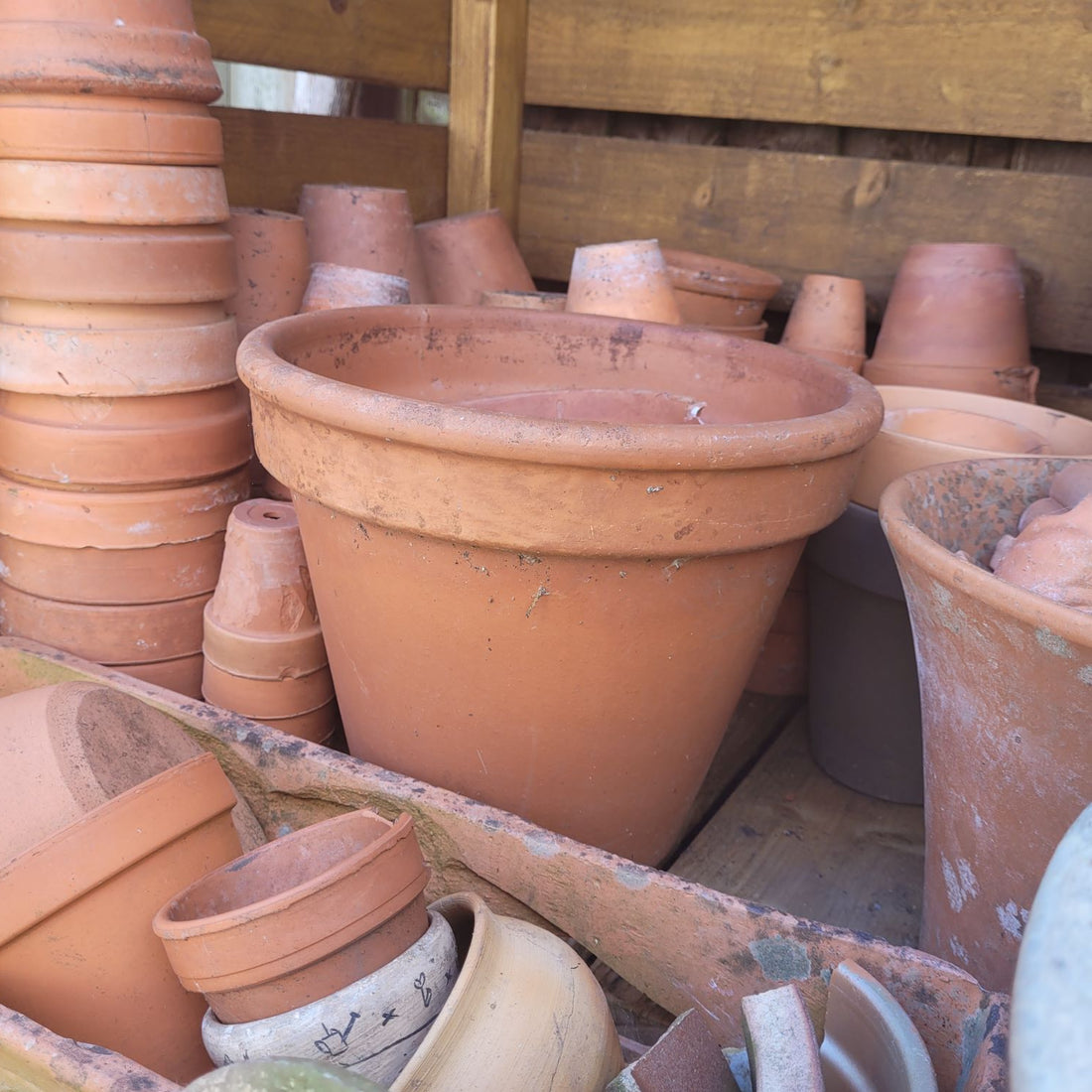
I inherited a stock of terracotta pots when my Mum passed away and we cleared her house and garden shed. It has taken me awhile to adjust to their use, particularly watering. In the past I have relied on plastic pots, seed trays and plant labels (I have a dwindling stock of those too). Plastic is lightweight yet robust, cheap and available for many items. Nonetheless it is having devastating impacts on our environment as it degrades and breaks down.
So in moving towards a more sustainable lifestyle what can I do in my garden?

Upcycling and re-using
There are more eco-friendly alternatives to plastic pots. My terracotta ones were passed down to me but alternatives include biodegradable products such as wool-pots from our latest collaboration partner. For more information check out their website wool-pots.co.uk or look on our Instagram JustseedLtd. Other materials may have adverse connotations, coir and peat fibre for example in their production.
Or create your own from old newspapers. Washing and reusing your old containers or repurposing household items such as fruit punnets or tin cans which can also be washed and recycled after use in many kerbside schemes.
Wood is good
Upcycle old wooden crates and seed trays. Metal can become very hot in summer and cold in winter but holey buckets and tubs, wonky wheelbarrows and defunct watering cans make unique planters. Other eco-friendly planters and containers are made from bamboo, hemp or fabric with a life of 5 years or so before decomposing. Plastic pots from recycled materials and glazed pots need less watering than terracotta. If using terracotta then paint the inside for a non-porous lining. Make sure there are drainage holes in whatever you use.
Growing from seed
I need to keep track as some will quickly sprout whilst other may need setting aside for a period of stratification (cold) to prompt their germination. I do re-use my white plastic labels, scrubbing them clean but eventually they degrade and I recycle them too at my council household recycling centre, along with other hard plastics and black plant pots. Alternatives for more permanent markers include metal tags, slate or wood.
Tied up in knots
I no longer use plastic netting, instead I have a selection of twine of various thickness from natural fibres such as jute, sisal and hemp. Readily available, soft and biodegradable in the long term. Takes me a bit of time to tie everything in but it works well.
I grow green manures to try and nourish the soil whilst supressing weeds. I also use organic mulches such as my hot bin garden compost, composted straw or bark, cardboard or wool. I’ve also protected vulnerable plants or containers with straw or moved them into a cold frame for added safe keeping.
Recycling old pots and compost bags
Buying compost, Melcourt has introduced Melcourt® Bag for Life whereby participating garden centres buy large maxi-bales of SylvaGrow from which the compost is transferred, 40 litres at a time. Many garden centres now have compost bag recycling, similar to plastic film recycling in supermarkets. And many nurseries now offer pot return programs or use compostable packaging.
Making small changes like these not only benefits the environment but can also improve soil health, encourage biodiversity, and reduce long-term costs. Every plastic-free choice adds up, creating a cleaner, greener, and more sustainable garden.