


Quick Growing Facts
Product Description
Beet Leaf Rainbow Chard Mixed Seeds
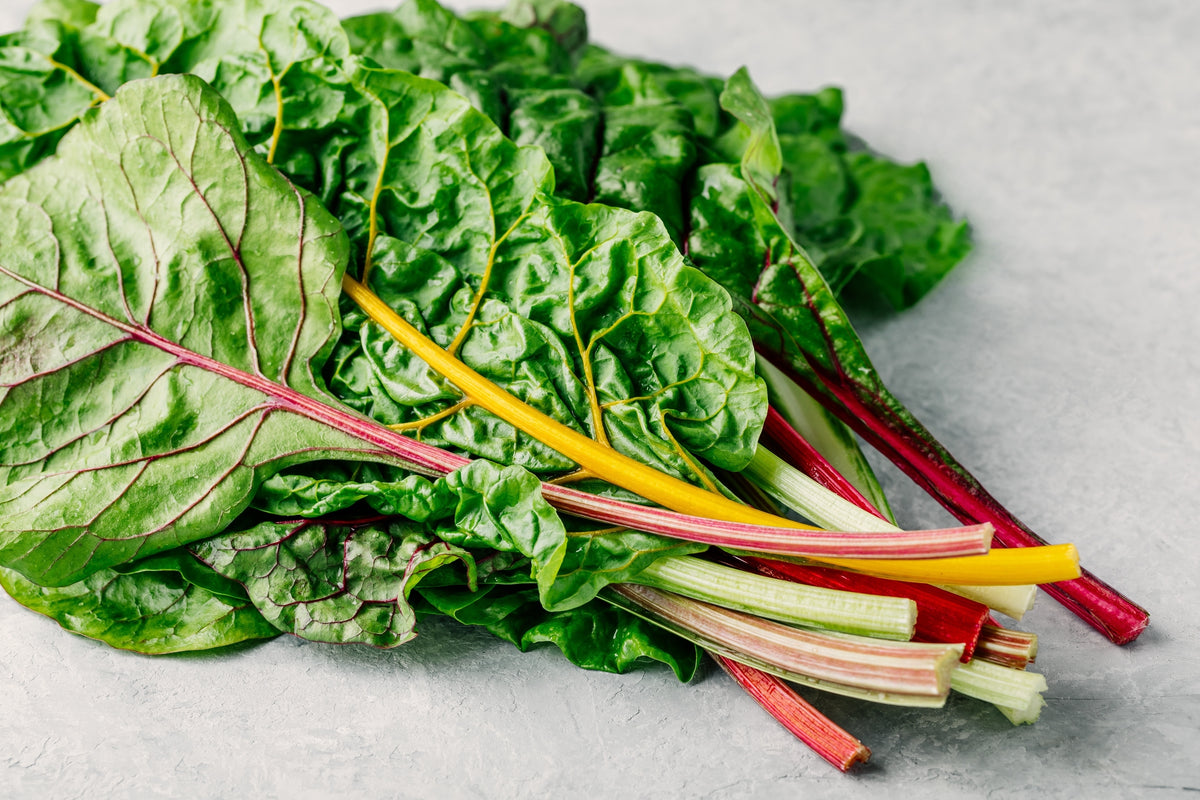
Beet Leaf Rainbow Chard Mixed Seeds produce colourful stems in shades of red, yellow, orange, pink and white, topped with broad green or reddish leaves. This attractive mixture of Swiss Chard combines ornamental colour with a useful supply of edible leaves and stems for the kitchen.
Rainbow Chard Mixed is grown for both its tender young leaves and its colourful, fleshy stems. Young leaves can be picked for salads, while larger leaves are suitable for steaming, stir-fries, soups and other cooked dishes. The stems can also be cooked and eaten, making good use of the whole plant.
This hardy leaf beet is particularly useful for kitchen gardens, allotments, raised beds and containers. Regular harvesting encourages fresh growth, providing a supply of colourful leaves from summer into autumn and sometimes through mild winter weather.
Key Features
Produces colourful stems in shades of red, yellow, orange, pink and white.
Broad green or reddish leaves suitable for cooking.
Young tender leaves can be used in salads.
Colourful stems are edible and can be cooked separately.
Cut-and-come-again vegetable providing repeated harvests.
Suitable for kitchen gardens, raised beds and containers.
Hardy biennial usually grown as an annual vegetable.
Provides colour and edible foliage throughout the growing season.
How to Grow Beet Leaf Rainbow Chard Mixed Seeds
Sow Beet Leaf Rainbow Chard Mixed Seeds directly outdoors from March to August into finely prepared soil.
Sow seeds approximately 2cm deep in shallow drills, allowing around 30–45cm between rows.
Keep the soil lightly moist during germination. Seedlings generally appear within 7–14 days, depending on temperature and growing conditions.
Chard seeds are often seed clusters containing more than one embryo, so several seedlings may emerge from one sowing point.
Thin seedlings gradually to approximately 25–30cm apart, allowing sufficient room for the leaves and stems to develop.
Grow in a sunny or partially shaded position with fertile, moisture-retentive but well-drained soil.
Water regularly during dry periods to encourage tender leaves and healthy stem development.
Begin harvesting young leaves when they reach a suitable size, usually around 6–8 weeks after sowing under favourable conditions.
Pick the outer leaves first, leaving the central growing point intact so the plants can continue producing fresh foliage.
Established plants may continue cropping into autumn and through mild winter weather, particularly when protected with fleece or cloches.
Rainbow Chard Growing Tips
Grow in fertile soil with good moisture retention.
Keep plants watered during prolonged dry weather.
Harvest outer leaves regularly to encourage fresh growth.
Avoid damaging the central growing point when harvesting.
Thin seedlings early to prevent overcrowding.
Grow in partial shade during hot weather to help maintain tender foliage.
Use young leaves for salads and larger leaves for cooking.
Protect established plants during cold weather to extend the harvesting period.
Frequently Asked Questions
What colours are included in Rainbow Chard Mixed?
The mixture produces stems in shades of red, yellow, orange, pink and white, with green or reddish leaves.
Is Rainbow Chard the same as Swiss Chard?
Yes, Rainbow Chard is a colourful mixture of Swiss Chard varieties, grown for their edible leaves and stems.
Can Rainbow Chard be harvested more than once?
Yes, it is a cut-and-come-again vegetable. Harvesting outer leaves allows the centre of the plant to continue growing.
Are Rainbow Chard stems edible?
Yes, both the leaves and colourful stems are edible. The stems generally take longer to cook than the leaves.
Can Rainbow Chard be grown in containers?
Yes, it grows well in sufficiently large containers with fertile compost and regular watering.
When should Rainbow Chard Mixed Seeds be sown?
Sow directly outdoors from March to August, depending on weather and soil conditions.
Will Rainbow Chard survive winter?
Established plants can tolerate light frosts and may continue producing leaves during mild winters, especially with protection.
Perfect For
Kitchen gardens
Allotments
Raised beds
Patio containers
Colourful edible planting
Cut-and-come-again harvesting
Leafy green vegetables
Home cooking
Quality Seeds
Carefully selected for reliable results
Fast UK Delivery
Packed and dispatched with care
Gardening Expertise
Practical advice from experienced growers
Here to Help
Friendly support when you need it