JustSeed
Cabbage Red Drumhead Seeds
Cabbage Red Drumhead Seeds
In stock
Couldn't load pickup availability
Cabbage Red Drumhead Seeds
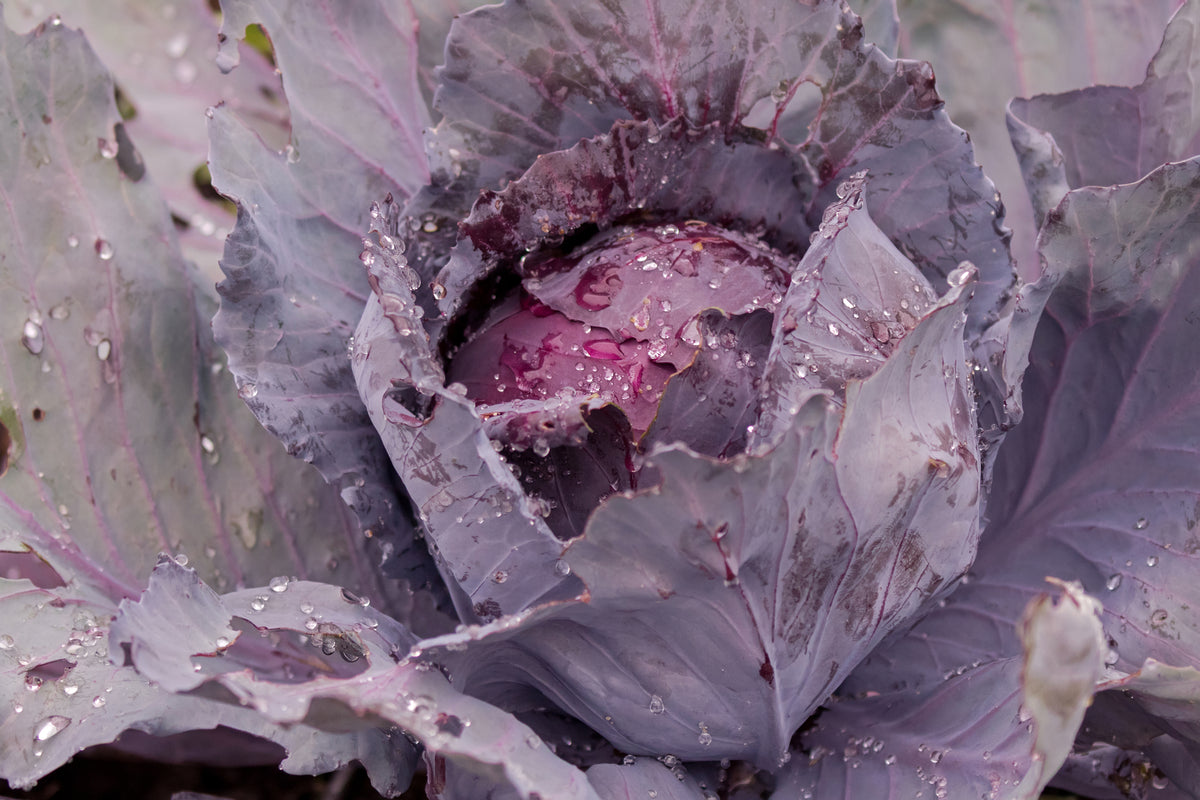
Cabbage Red Drumhead Seeds produce large, rounded heads with tightly packed, deep purple-red leaves and a crisp texture. This traditional red cabbage variety is grown for its firm heads, rich colour and versatility in the kitchen, making it a useful choice for autumn and winter harvesting.
Red Drumhead Cabbage develops dense, well-formed heads with a mild, slightly sweet flavour. The colourful leaves can be shredded for coleslaw and salads or cooked in traditional dishes such as braised red cabbage. They are also suitable for pickling, stir-fries and slow cooking.
This hardy cabbage is well suited to kitchen gardens, allotments and vegetable plots, where it can be grown as a maincrop variety. The mature heads can be harvested during autumn and stored for later use when kept in suitable cool conditions.
Key Features
Produces large, rounded heads with deep purple-red leaves.
Traditional red cabbage variety with tightly packed foliage.
Firm, crisp leaves with a mild, slightly sweet flavour.
Suitable for autumn and early winter harvesting.
Useful for coleslaw, pickling, braising and cooking.
Mature heads can be stored in cool conditions.
Suitable for kitchen gardens, allotments and raised beds.
Hardy maincrop cabbage variety.
How to Grow Cabbage Red Drumhead Seeds
Sow Cabbage Red Drumhead Seeds from March to May in seed trays, modules or a prepared outdoor seedbed.
Sow seeds approximately 1cm deep and cover lightly with compost or fine soil. Keep moist during germination, which usually takes around 7–14 days under suitable conditions.
Once seedlings are large enough to handle, transplant them into individual pots or modules if necessary and continue growing until ready for planting outdoors.
Plant into their final growing position from May to July, allowing approximately 45–60cm between plants and 60cm between rows.
Choose a sunny position with fertile, well-drained but moisture-retentive soil. Incorporate well-rotted compost before planting to encourage healthy growth.
Firm the soil well around the roots when transplanting, as cabbages grow best in settled ground.
Water regularly during dry periods, particularly while the heads are developing.
Harvest from September onwards, once the heads are firm and have reached a suitable size. Cut the cabbage at the base using a sharp knife, removing any damaged outer leaves.
Cabbage Growing Tips
Grow in fertile, firm soil for healthy head development.
Avoid planting into freshly dug, loose ground.
Keep plants watered during prolonged dry weather.
Allow sufficient spacing for the large heads to develop.
Protect young plants from cabbage white caterpillars and pigeons using suitable netting.
Use brassica collars to help protect against cabbage root fly.
Rotate cabbage crops to reduce the risk of soil-borne diseases.
Harvest mature heads before they begin to split.
Frequently Asked Questions
What type of cabbage is Red Drumhead?
Red Drumhead is a traditional maincrop red cabbage producing large, rounded heads with tightly packed purple-red leaves.
When should Cabbage Red Drumhead Seeds be sown?
Sow from March to May, either under protection or in a prepared outdoor seedbed.
When can Red Drumhead Cabbages be harvested?
Heads are generally ready for harvesting from September through autumn, depending on sowing time and growing conditions.
Can Red Drumhead Cabbage be eaten raw?
Yes, the crisp leaves can be shredded for salads and coleslaw or cooked in a range of dishes.
Is Red Drumhead suitable for pickling?
Yes, its firm, colourful leaves make it suitable for traditional pickled red cabbage.
Can Red Drumhead Cabbages be stored?
Yes, mature, undamaged heads can be stored for a period in suitable cool conditions.
How far apart should Red Drumhead Cabbages be planted?
Allow approximately 45–60cm between plants, providing enough room for the heads to develop.
Perfect For
Kitchen gardens
Allotments
Vegetable plots
Raised beds
Autumn harvesting
Winter cooking
Coleslaw and salads
Pickling and braising
Share