


Product Description
Common Primrose Seeds – Primula vulgaris
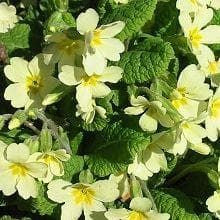
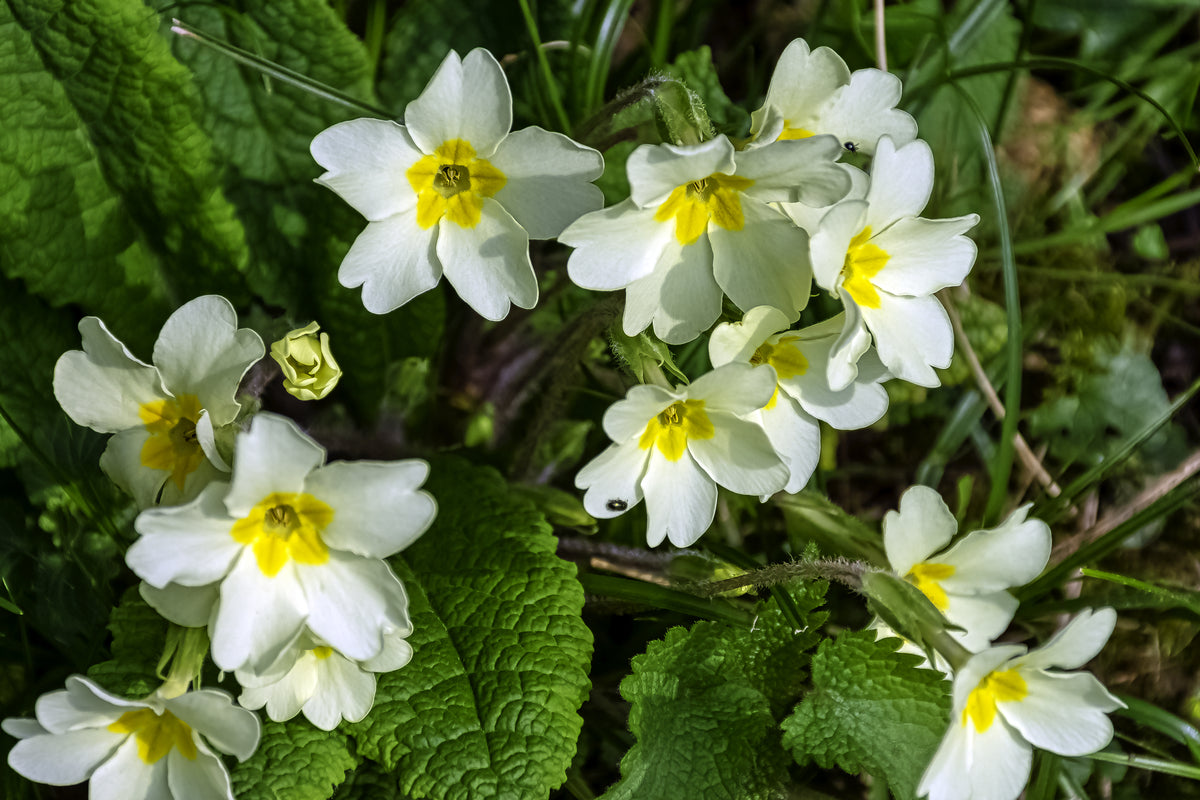
Common Primrose Seeds produce beautiful pale yellow flowers with distinctive golden centres, bringing welcome colour to gardens from late winter into spring. Known botanically as Primula vulgaris, this traditional British wildflower is a familiar sight in woodlands, hedgerows, banks, and shady countryside locations.
The delicate flowers appear above attractive rosettes of fresh green foliage and provide an important early source of nectar for bees and other emerging pollinators. Common Primrose is perfect for woodland gardens, cottage gardens, shady borders, wildlife areas, and naturalised planting where it can establish and return year after year.
Hardy and rewarding to grow, this charming native wildflower is an excellent choice for gardeners looking to create traditional, wildlife-friendly spring displays.
Key Features
Traditional British native wildflower with pale yellow blooms.
Known botanically as Primula vulgaris.
Provides beautiful colour from late winter into spring.
Valuable early-season flowers for bees and other pollinators.
Ideal for woodland gardens, shady borders, and naturalised planting.
Hardy perennial that returns year after year.
Perfect for cottage gardens and wildlife-friendly planting.
How to Grow Common Primrose Seeds
Sow Common Primrose Seeds outdoors from late summer through autumn or sow in containers and expose them to natural winter conditions.
Sow seeds onto the surface of moist, well-drained seed compost and lightly press them into place without covering deeply.
Primrose seeds can germinate slowly and may benefit from a period of cool temperatures before germination.
Transplant seedlings once they are large enough to handle and grow in a partially shaded position with fertile, moisture-retentive soil.
Keep young plants watered during dry periods while they become established.
Common Primrose Growing Tips
Grow in partial shade or beneath deciduous trees and shrubs.
Keep soil moist but avoid waterlogged conditions.
Allow established plants to self-seed for natural-looking displays.
Avoid disturbing plants unnecessarily once established.
Combine with other native wildflowers for attractive woodland-style planting.
Frequently Asked Questions
Is Common Primrose native to Britain?
Yes, Primula vulgaris is a traditional native wildflower found naturally in woodlands, hedgerows, banks, and grassland.
Is Common Primrose a perennial?
Yes, it is a hardy perennial that can return and flower for many years.
Does Common Primrose attract pollinators?
Yes, its early flowers provide a valuable nectar source for bees and other insects.
Can Common Primrose be grown in shady gardens?
Yes, it is particularly well suited to partial shade, woodland gardens, and areas beneath deciduous trees.
Perfect For
Woodland gardens
Cottage gardens
Shady borders
Wildlife gardens
Native wildflower planting
Naturalised areas
Pollinator-friendly gardens
Spring displays
Quality Seeds
Carefully selected for reliable results
Fast UK Delivery
Packed and dispatched with care
Gardening Expertise
Practical advice from experienced growers
Here to Help
Friendly support when you need it