


Product Description
Green Manure Phacelia tanacetifolia Seeds
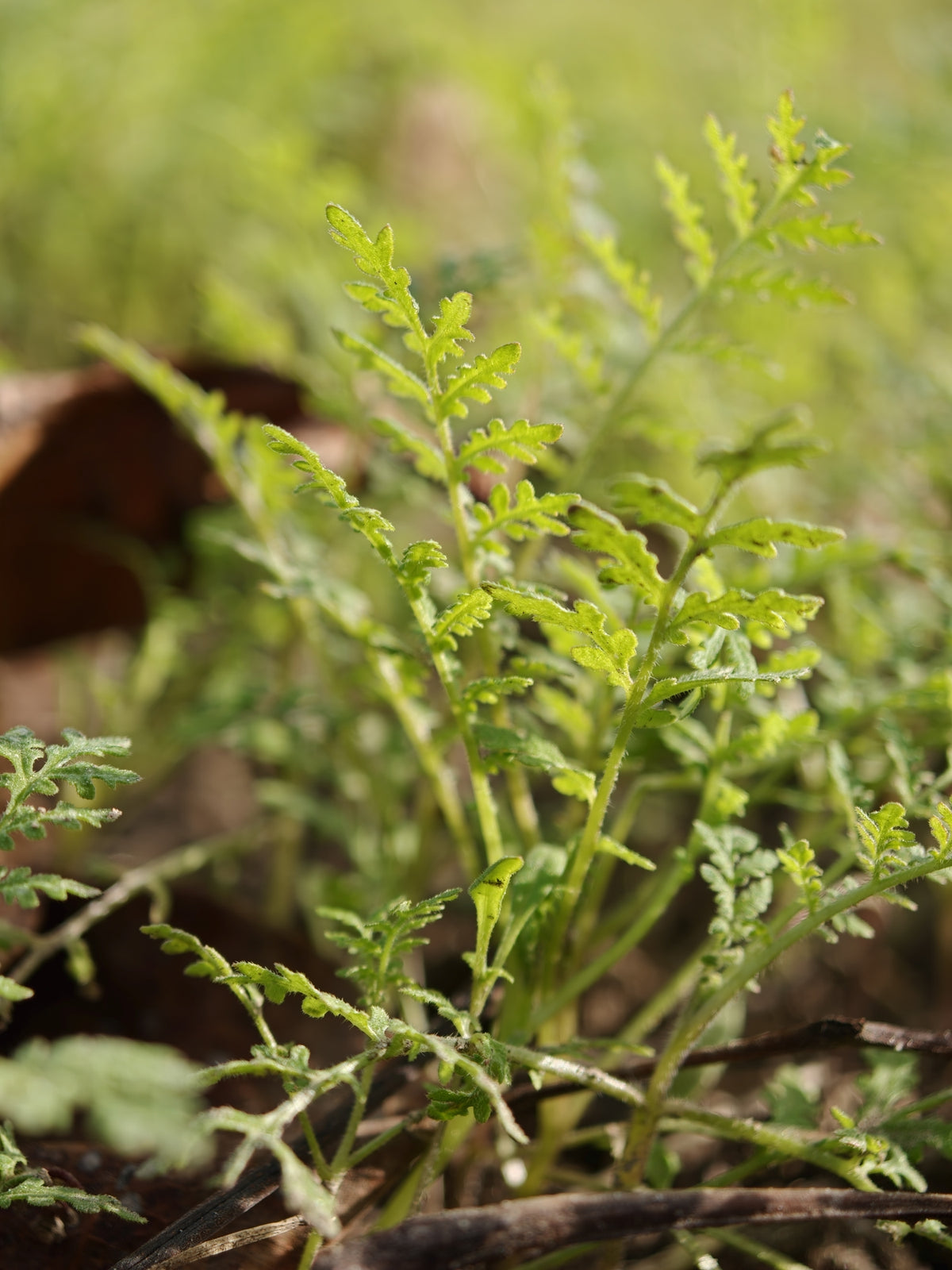
Green Manure Phacelia tanacetifolia Seeds produce fast-growing plants with finely divided foliage and attractive lavender-blue flowers. Commonly known as Phacelia or Fiddleneck, this annual is widely grown as a green manure crop to provide ground cover, add organic matter and improve soil structure.
Phacelia tanacetifolia establishes quickly, helping to cover bare soil and suppress weeds between vegetable crops. Its extensive fibrous root system helps improve soil structure, while the leafy growth can be cut down and incorporated into the soil or left on the surface to decompose.
When allowed to flower, Phacelia produces distinctive curled flower clusters that are particularly attractive to bees, hoverflies and other beneficial insects. This makes it a useful choice for gardeners looking to combine soil improvement with pollinator-friendly planting.
Key Features
Fast-growing annual green manure crop.
Produces attractive lavender-blue flowers.
Helps suppress weeds by covering bare soil.
Adds organic matter when incorporated into the soil.
Fibrous roots help improve soil structure.
Attracts bees, hoverflies and other beneficial insects.
Suitable for vegetable gardens, allotments and raised beds.
Useful for covering empty beds between crops.
How to Grow Green Manure Phacelia Seeds
Sow Green Manure Phacelia tanacetifolia Seeds directly outdoors from March to September, when soil conditions are suitable.
Prepare the soil by removing weeds and lightly raking the surface to create a fine seedbed.
Broadcast the seeds evenly over the prepared area or sow in shallow drills approximately 1cm deep.
Lightly rake the seeds into the soil and firm gently to ensure good contact with the soil.
Keep the ground moist during germination. Seedlings usually emerge within approximately 7–14 days, depending on temperature and growing conditions.
Phacelia grows quickly in a sunny position with well-drained soil, although it tolerates a range of soil types.
For green manure use, allow the plants to develop plenty of leafy growth before cutting them down, ideally before they begin setting seed.
The cut foliage can be lightly incorporated into the upper soil or left on the surface as a mulch to decompose naturally.
If incorporating the foliage, allow approximately 3–4 weeks before sowing or planting the next crop so the material has time to begin breaking down.
Late sowings can provide autumn ground cover, although Phacelia is frost tender and will usually be killed by hard winter frosts.
Green Manure Growing Tips
Sow onto prepared, weed-free soil for quick establishment.
Broadcast evenly to create a dense covering of foliage.
Keep the soil moist while seeds germinate.
Cut plants down before seed heads mature to prevent unwanted self-seeding.
Allow some plants to flower if you want to provide nectar for bees and other pollinators.
Use the cut foliage as a surface mulch or incorporate it into the soil.
Phacelia is not a legume and does not fix atmospheric nitrogen.
Late summer sowings can help protect bare soil before winter.
Frequently Asked Questions
What is Phacelia green manure used for?
Phacelia is grown to cover bare soil, suppress weeds, improve soil structure and provide organic matter when the plants decompose.
Does Phacelia attract bees?
Yes, its lavender-blue flowers are particularly attractive to bees, hoverflies and other beneficial insects.
When should Phacelia Seeds be sown?
Sow outdoors from March to September, depending on weather and soil conditions.
How quickly does Phacelia grow?
Phacelia establishes quickly and can produce substantial leafy growth within approximately 6–8 weeks under suitable conditions.
Does Phacelia fix nitrogen?
No. Unlike clover and other legumes, Phacelia does not fix atmospheric nitrogen. However, it can help capture existing soil nutrients and return them as the plant material decomposes.
Is Phacelia hardy over winter?
No, Phacelia is frost tender and is generally killed by hard winter frosts.
Should I let Phacelia flower before digging it in?
For green manure use, it is generally best to cut the plants before they set seed. You can allow some plants to flower for pollinators, but remove them before mature seeds develop if you want to avoid self-seeding.
Perfect For
Vegetable gardens
Allotments
Raised beds
Green manure growing
Soil improvement
Weed suppression
Pollinator-friendly planting
Autumn ground cover
Quality Seeds
Carefully selected for reliable results
Fast UK Delivery
Packed and dispatched with care
Gardening Expertise
Practical advice from experienced growers
Here to Help
Friendly support when you need it