JustSeed
Lambs Ear - Stachys byzantina Seeds
Lambs Ear - Stachys byzantina Seeds
In stock
Couldn't load pickup availability
Lamb's Ear Seeds – Stachys byzantina
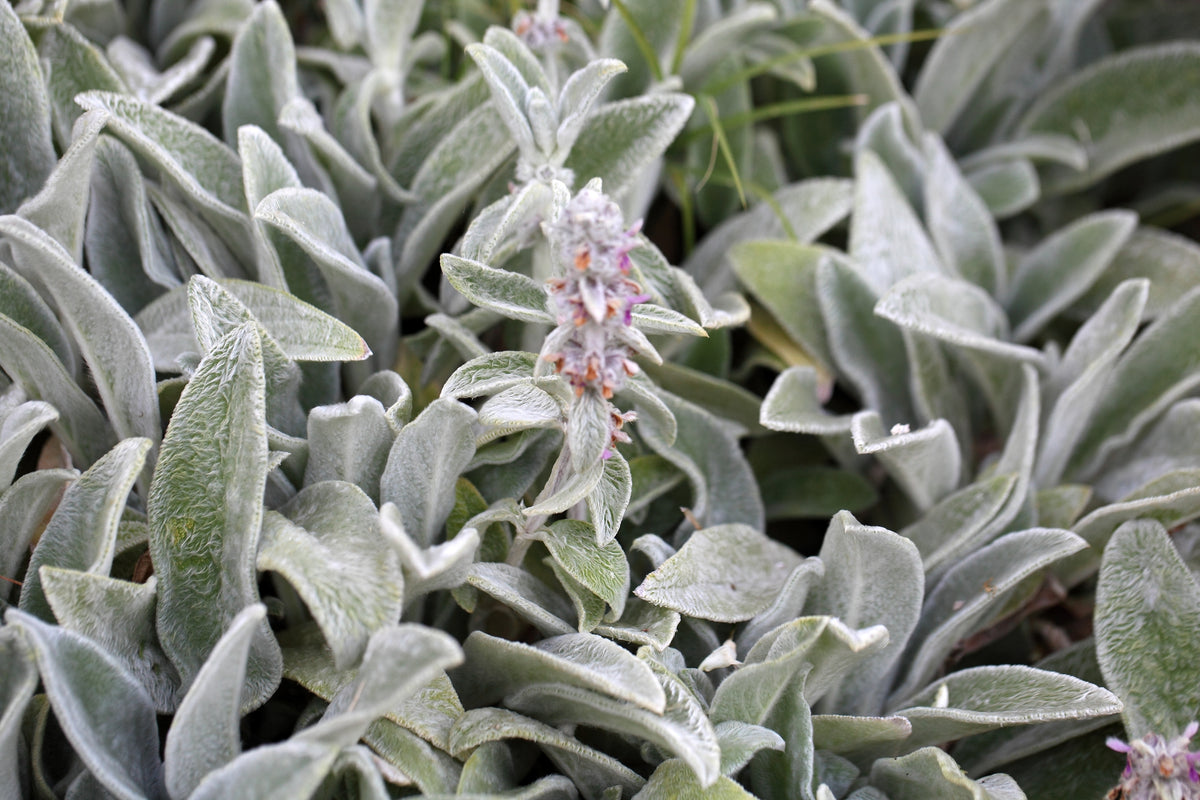
Lamb's Ear Seeds produce soft, silvery-grey foliage with a distinctive velvety texture. Known botanically as Stachys byzantina, this hardy perennial is grown mainly for its woolly leaves, which resemble a lamb's ears and provide year-round interest in suitable growing conditions.
Lamb's Ear forms low-growing, spreading clumps of silver foliage that contrast well with green-leaved plants and colourful flowers. During summer, upright flowering stems rise above the leaves, carrying small pinkish-purple flowers that attract bees and other pollinating insects.
This drought-tolerant perennial is particularly useful for gravel gardens, sunny borders, edging and ground cover. Once established, it requires relatively little maintenance and performs well in freely draining soil, making it suitable for gardens where summer watering is limited.
Key Features
Produces soft, woolly silvery-grey foliage.
Hardy perennial known botanically as Stachys byzantina.
Forms low-growing, spreading clumps suitable for ground cover.
Foliage typically reaches approximately 15–25cm tall.
Produces upright flower spikes with small pinkish-purple flowers in summer.
Flowers attract bees and other pollinating insects.
Tolerates dry conditions once established.
Suitable for gravel gardens, borders and edging.
How to Grow Lamb's Ear Seeds
Sow Lamb's Ear Seeds indoors from February to April in pots or trays filled with fine, well-drained seed compost.
Sow the small seeds thinly onto the compost surface and cover very lightly with fine compost or vermiculite, approximately 1–2mm deep.
Maintain a temperature of around 18–21°C and keep the compost lightly moist without waterlogging.
Germination generally takes approximately 14–28 days, although some seeds may take longer depending on growing conditions.
Once seedlings are large enough to handle, carefully transplant them into individual pots or modules.
Grow young plants on in bright, frost-free conditions until they have developed a healthy root system.
Gradually harden plants off before planting outdoors after the risk of frost has passed.
Alternatively, sow directly outdoors from April to June into finely prepared, well-drained soil.
Choose a sunny position with freely draining soil, allowing approximately 30–45cm between plants to accommodate their spreading growth.
Water regularly while young plants establish. Once established, Lamb's Ear is drought tolerant and generally requires little additional watering.
Lamb's Ear Growing Tips
Grow in full sun for compact growth and silvery foliage.
Choose well-drained soil, as plants dislike prolonged winter wet.
Avoid excessive feeding, which can encourage soft growth.
Water young plants while they establish, then reduce watering as they mature.
Allow enough space for plants to spread naturally.
Remove damaged or decaying leaves to maintain a tidy appearance.
Cut back spent flower stems after flowering if required.
Divide established clumps every few years to maintain healthy growth.
Frequently Asked Questions
Is Lamb's Ear a perennial?
Yes, Stachys byzantina is a hardy perennial that returns year after year once established.
Why is it called Lamb's Ear?
The plant gets its common name from its soft, woolly leaves, which have a texture resembling a lamb's ears.
How tall does Lamb's Ear grow?
The foliage typically reaches approximately 15–25cm tall, while flowering stems can grow considerably taller.
Does Lamb's Ear produce flowers?
Yes, it produces upright spikes of small pinkish-purple flowers during summer.
Is Lamb's Ear drought tolerant?
Yes, established plants tolerate dry conditions well, provided they are grown in freely draining soil.
Can Lamb's Ear be grown in containers?
Yes, it grows well in pots and containers with good drainage, particularly in sunny positions.
Does Lamb's Ear attract bees?
Yes, the summer flowers attract bees and other pollinating insects.
Perfect For
Gravel gardens
Sunny borders
Ground cover
Garden edging
Drought-tolerant planting
Silver foliage displays
Pollinator-friendly gardens
Patio containers
Share