


Product Description
Lemon Balm Seeds – Melissa officinalis
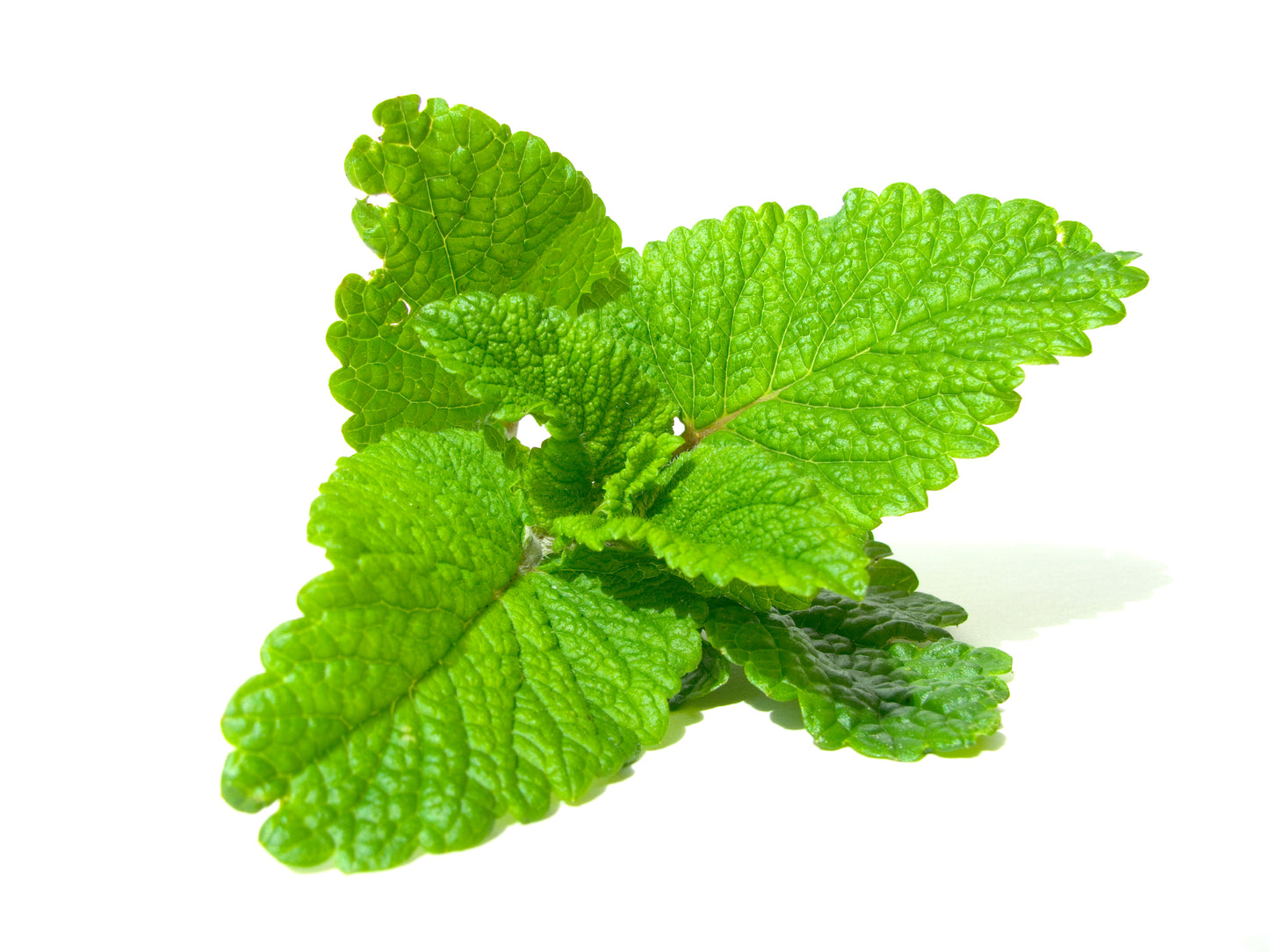
Lemon Balm Seeds produce beautifully fragrant green leaves with a refreshing lemon scent, making this popular culinary herb a favourite for herb gardens, kitchen gardens, and wildlife-friendly planting. Known botanically as Melissa officinalis, lemon balm has long been valued for its aromatic foliage, which is perfect for herbal teas, salads, desserts, fish dishes, and refreshing summer drinks.
This hardy perennial herb forms attractive bushy plants that provide a continuous supply of fresh leaves throughout the growing season. During summer, delicate white flowers appear, attracting bees, butterflies, and other beneficial pollinators, making Lemon Balm an excellent choice for supporting garden wildlife.
Easy to grow and highly versatile, Lemon Balm thrives in borders, raised beds, containers, and herb gardens, returning year after year with minimal maintenance.
Key Features
Produces fragrant leaves with a refreshing lemon aroma.
Traditional culinary herb known botanically as Melissa officinalis.
Perfect for herbal teas, salads, desserts, and summer drinks.
Hardy perennial herb that returns year after year.
Delicate white flowers attract bees and other pollinators.
Suitable for herb gardens, borders, raised beds, and containers.
Easy to grow and ideal for beginner gardeners.
How to Grow Lemon Balm Seeds
Sow Lemon Balm Seeds indoors from February to May or outdoors from April to June.
Sow seeds onto the surface of moist seed compost and press them in lightly, as they require light for germination. Keep warm at around 18–21°C and maintain even moisture. Germination usually takes 10–21 days.
Transplant seedlings once large enough to handle into fertile, well-drained soil in a sunny or partially shaded position, spacing plants around 30–45cm apart.
Water regularly while plants become established and harvest leaves throughout the growing season as required.
Lemon Balm Growing Tips
Grow in full sun or partial shade for healthy, leafy growth.
Harvest leaves regularly to encourage fresh new shoots.
Trim plants after flowering to maintain a compact shape.
Grow in containers if you wish to limit spreading.
Allow some flowers to bloom to attract pollinators.
Frequently Asked Questions
Is Lemon Balm a perennial?
Yes, Melissa officinalis is a hardy perennial herb that returns each year.
Can Lemon Balm be grown in containers?
Yes, it grows very well in pots, containers, raised beds, and herb gardens.
What is Lemon Balm used for?
Its fragrant leaves are ideal for herbal teas, salads, desserts, fish dishes, and refreshing drinks.
Does Lemon Balm attract pollinators?
Yes, the small white flowers are highly attractive to bees, butterflies, and other beneficial insects.
Perfect For
Herb gardens
Kitchen gardens
Containers
Raised beds
Pollinator-friendly gardens
Herbal teas
Home cooking
Beginner gardeners
Quality Seeds
Carefully selected for reliable results
Fast UK Delivery
Packed and dispatched with care
Gardening Expertise
Practical advice from experienced growers
Here to Help
Friendly support when you need it