




Quick Growing Facts
Product Description
Bladder Campion Seeds – Silene vulgaris
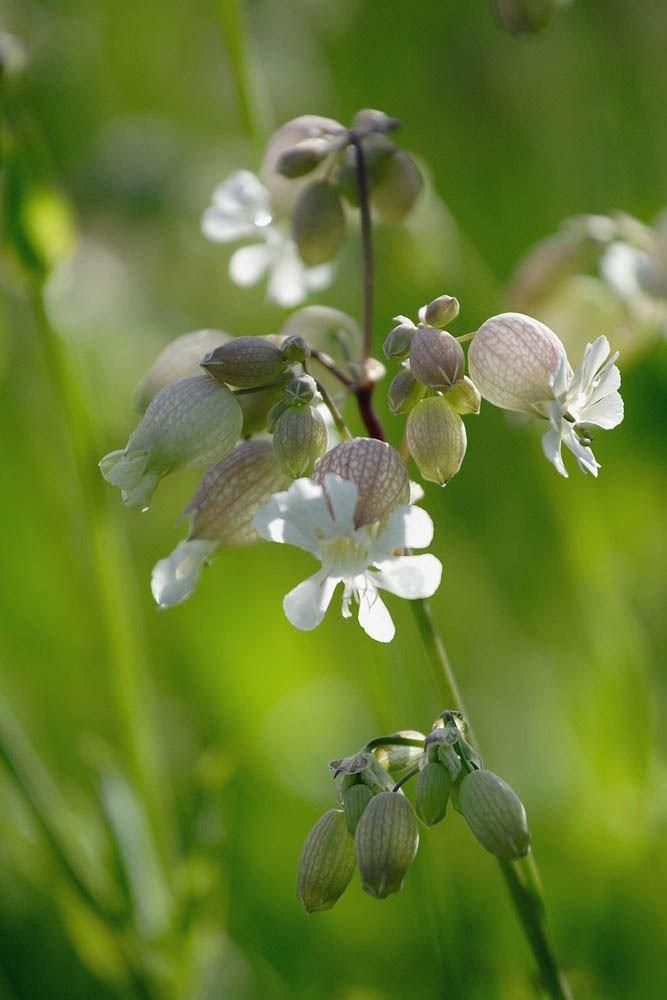
Bladder Campion Seeds produce delicate white flowers with distinctive, inflated, bladder-like calyces. Known botanically as Silene vulgaris, this native British perennial wildflower is found naturally in grasslands, hedgerows, roadside verges and open countryside.
Bladder Campion develops slender, branching stems with grey-green leaves and clusters of small white flowers. Each flower has deeply divided petals emerging from a rounded, balloon-like calyx marked with fine veins. The unusual flower shape gives the plant its common name and adds interest to informal garden planting.
This hardy perennial is particularly suitable for wildflower meadows, cottage gardens, grassy banks and wildlife-friendly borders. The flowers provide nectar for visiting insects, including moths, while established plants can return year after year in suitable growing conditions.
Key Features
Native British perennial wildflower.
Known botanically as Silene vulgaris.
Produces delicate white flowers with distinctive inflated calyces.
Grey-green foliage on slender, branching stems.
Typically grows approximately 30–80cm tall.
Flowers from late spring through summer.
Provides nectar for moths and other visiting insects.
Suitable for wildflower meadows, grassy banks and informal borders.
How to Grow Bladder Campion Seeds
Sow Bladder Campion Seeds outdoors from March to May or during September to October, when conditions are suitable.
Prepare a fine, weed-free seedbed in a sunny position with well-drained soil.
Sow seeds thinly onto the prepared surface and cover very lightly with fine soil or compost, approximately 1–2mm deep.
Firm gently to ensure good seed-to-soil contact and keep the soil lightly moist during germination.
Seeds generally germinate within 14–28 days under suitable conditions, although germination may be irregular.
For controlled sowing, seeds can also be started in pots or modules filled with fine seed compost. Keep them in a cool, bright position while they establish.
Once seedlings are large enough to handle, carefully transplant them into individual pots or their final growing position, allowing approximately 25–30cm between plants.
Grow in full sun or light partial shade with freely draining soil. Bladder Campion tolerates relatively poor soils and is particularly suited to open, less fertile growing areas.
Water young plants during dry periods while they establish. Once established, plants generally require little additional watering.
Allow selected flowers to set seed if you want to encourage natural regeneration within a wildflower planting area.
Bladder Campion Growing Tips
Choose a sunny position with freely draining soil.
Avoid overly rich or heavily fertilised ground.
Prepare bare soil before sowing to reduce competition from established grasses.
Keep young seedlings lightly moist during establishment.
Allow plants room to develop their branching stems.
Avoid excessive watering once plants are established.
Leave some flowers to set seed for natural regeneration.
In meadow areas, cut back after flowering and seed dispersal, removing the cut material to maintain lower soil fertility.
Frequently Asked Questions
Is Bladder Campion native to Britain?
Yes, Silene vulgaris is a native British wildflower found in grasslands, roadside verges and other open habitats.
Why is it called Bladder Campion?
The name comes from the distinctive inflated calyx beneath each flower, which resembles a small bladder or balloon.
Is Bladder Campion an annual or perennial?
Bladder Campion is a hardy perennial that can return year after year once established.
When does Bladder Campion flower?
The white flowers generally appear from May to September, depending on growing conditions.
Is Bladder Campion suitable for wildflower meadows?
Yes, it is suitable for meadow planting, particularly in open areas with well-drained soil and relatively low fertility.
Does Bladder Campion attract pollinators?
Yes, its flowers provide nectar for visiting insects, including moths.
Can Bladder Campion grow in poor soil?
Yes, it tolerates relatively nutrient-poor soils and often performs well where more vigorous garden plants would struggle.
Perfect For
Wildflower meadows
Native British wildflower gardens
Cottage gardens
Grassy banks
Wildlife-friendly planting
Naturalised areas
Informal borders
Moth-friendly gardens
Quality Seeds
Carefully selected for reliable results
Fast UK Delivery
Packed and dispatched with care
Gardening Expertise
Practical advice from experienced growers
Here to Help
Friendly support when you need it