






Product Description
Yellow Rattle Seeds – Rhinanthus minor
FRESH SEED 2026
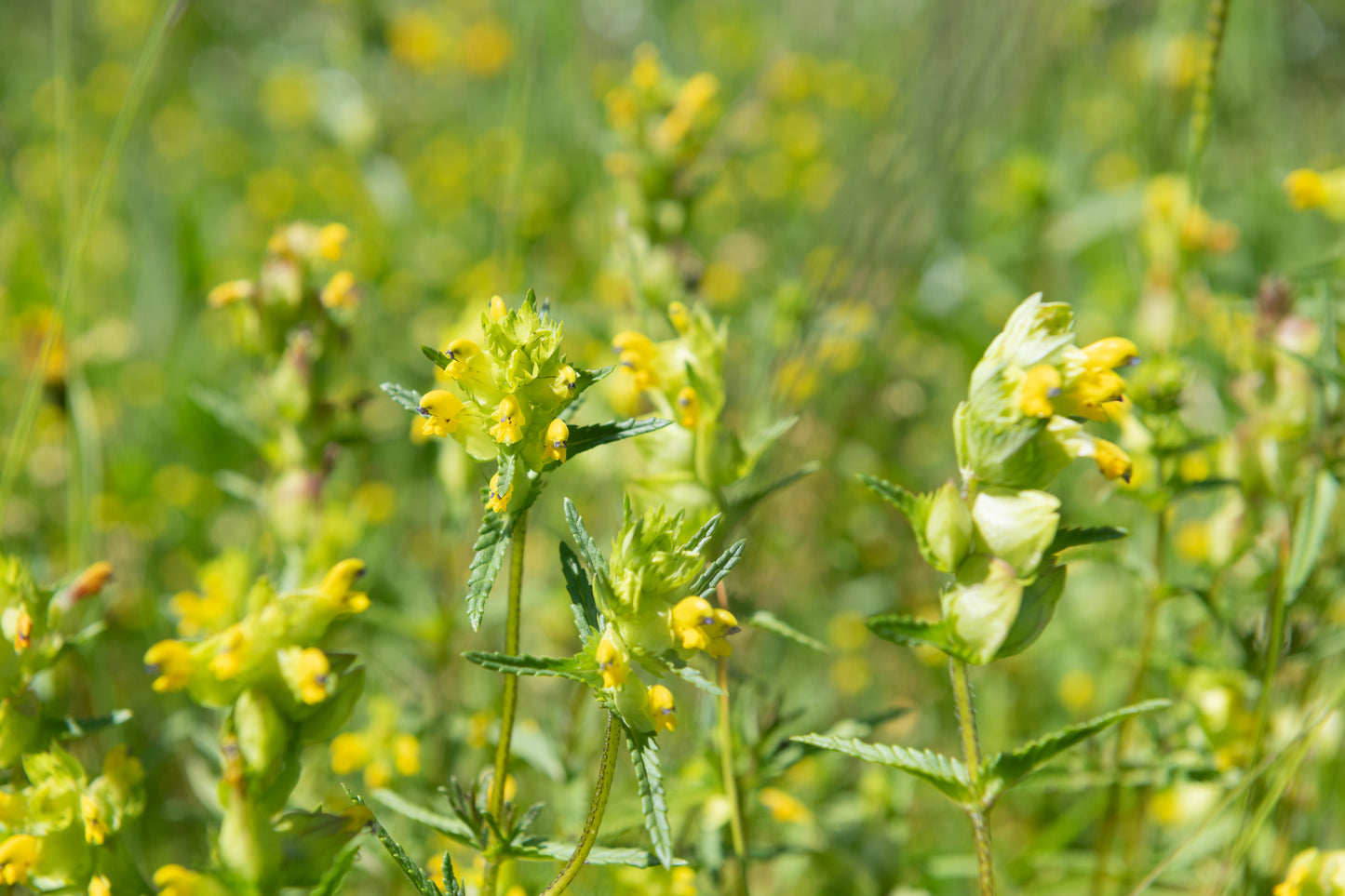
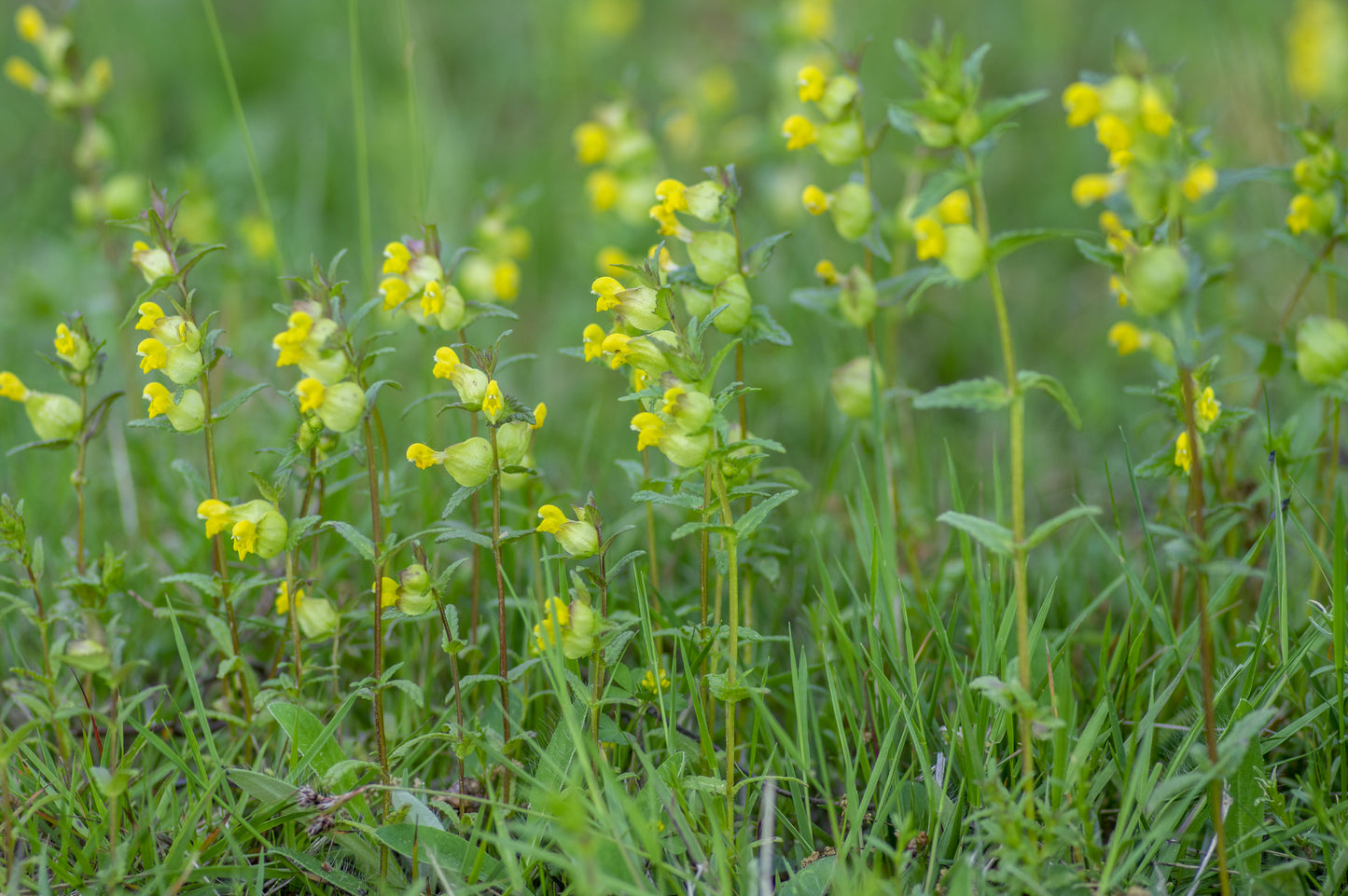
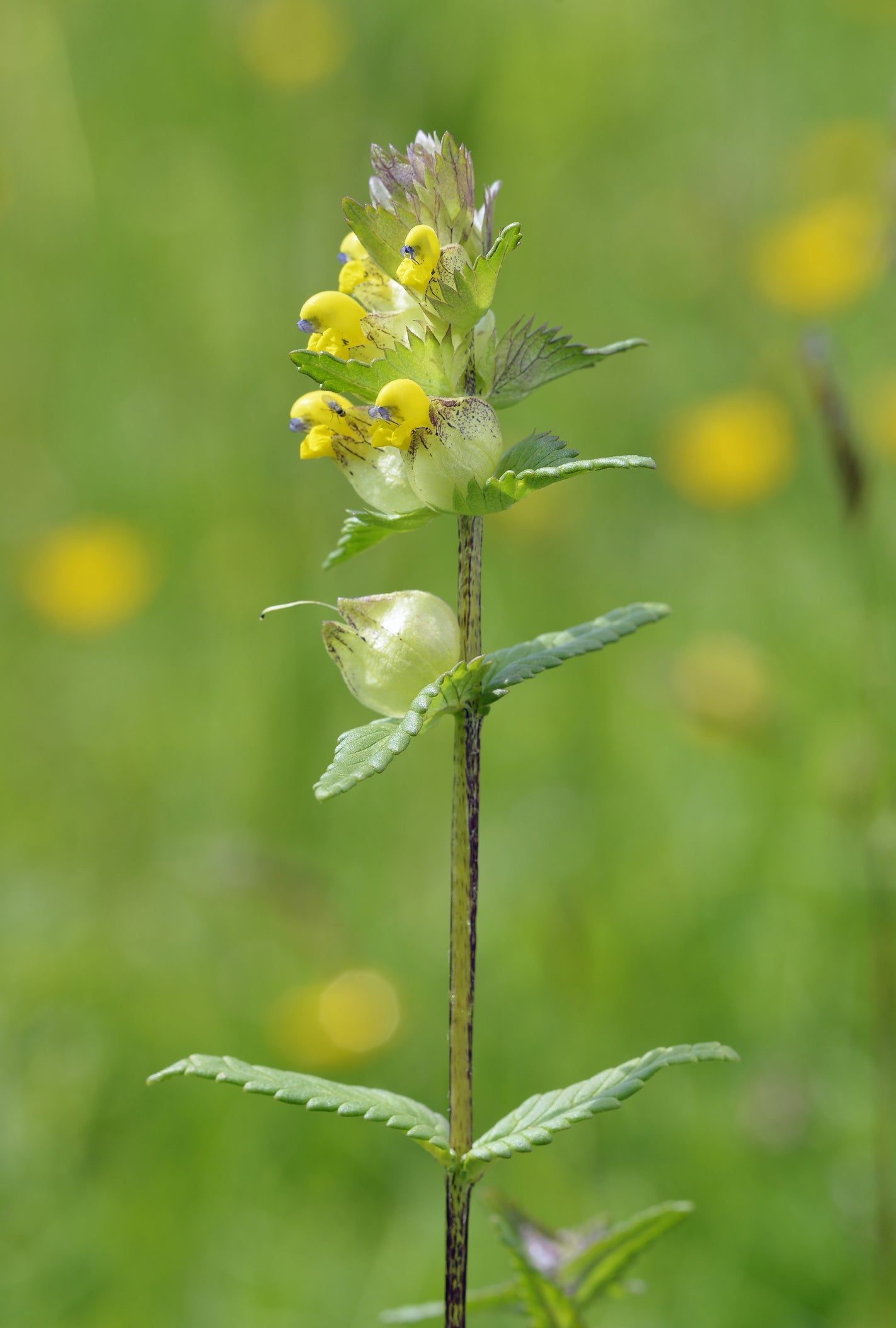
Yellow Rattle Seeds produce cheerful yellow wildflowers that play an important role in creating and maintaining species-rich wildflower meadows. Known botanically as Rhinanthus minor, this native British wildflower is often referred to as the "Meadow Maker" because it naturally suppresses vigorous grasses, allowing other wildflowers to flourish.
The bright yellow blooms appear from late spring through summer and are highly attractive to bees, butterflies, and other pollinating insects. As the seed heads mature, they produce the distinctive rattling sound that gives Yellow Rattle its common name.
Easy to establish in suitable conditions, this annual wildflower is an essential choice for meadow creation, wildlife habitats, and naturalised garden planting schemes.
Key Features
Native British wildflower ideal for meadow creation and restoration.
Also known as Rhinanthus minor or the "Meadow Maker".
Produces bright yellow flowers throughout late spring and summer.
Helps weaken vigorous grasses to encourage wildflower diversity.
Highly attractive to bees, butterflies, and pollinating insects.
Essential for creating species-rich wildflower meadows.
Easy to establish in suitable grassland conditions.
How to Grow Yellow Rattle Seeds
Sow Yellow Rattle Seeds directly outdoors from late summer through autumn, as the seeds require a period of winter cold to germinate successfully.
Scatter seeds thinly onto short grass or prepared soil and press gently into the surface to ensure good contact with the ground.
Do not cover deeply, as seeds require light and natural weather conditions to aid germination.
Grow in sunny locations where grasses are present, as Yellow Rattle relies on grass roots to complete its lifecycle.
Flowers typically appear from late spring into summer following autumn sowing.
Yellow Rattle Growing Tips
Sow into existing grassland or meadow areas for best results.
Cut grass short before sowing to reduce competition.
Allow plants to set seed naturally each year.
Avoid using fertilisers in meadow areas.
Leave seed heads in place to encourage natural regeneration.
Click for Detailed growing instructions
Frequently Asked Questions
Why is Yellow Rattle called the Meadow Maker?
Because it naturally reduces the vigour of grasses, allowing other wildflowers to establish more easily.
Does Yellow Rattle need grass to grow?
Yes, Yellow Rattle is a semi-parasitic plant that grows alongside grass roots.
Do Yellow Rattle flowers attract pollinators?
Yes, they are highly attractive to bees, butterflies, and other beneficial insects.
When should Yellow Rattle Seeds be sown?
For best results, sow from late summer to autumn so seeds receive winter chilling.
Perfect For
Wildflower meadows
Meadow restoration
Pollinator-friendly planting
Wildlife gardens
Naturalised planting
Native wildflower areas
Grassland management
Beginner gardeners
Quality Seeds
Carefully selected for reliable results
Fast UK Delivery
Packed and dispatched with care
Gardening Expertise
Practical advice from experienced growers
Here to Help
Friendly support when you need it