


Quick Growing Facts
Product Description
Winter Squash Uchiki Kuri Seeds
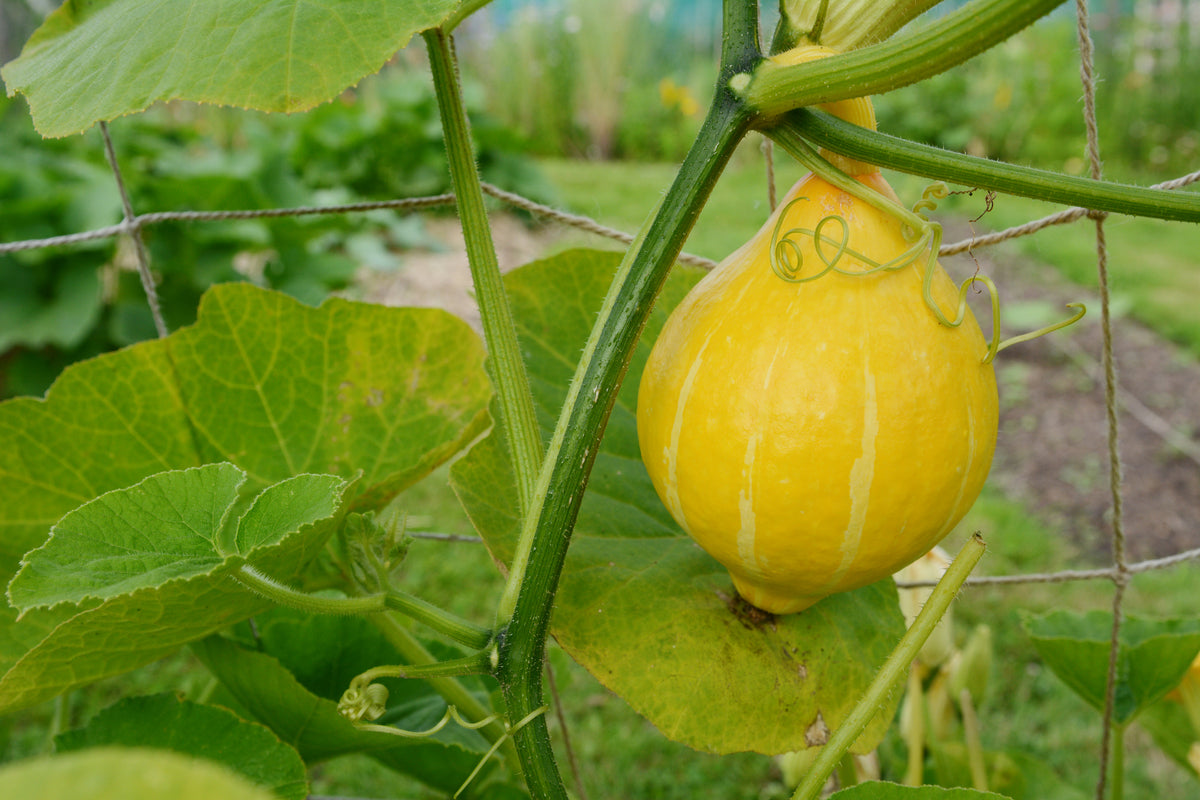
Winter Squash Uchiki Kuri Seeds produce attractive, bright orange, teardrop-shaped fruits with sweet, nutty flesh. Also known as Red Kuri Squash, this Japanese winter squash variety is valued for its flavour, manageable fruit size and usefulness in autumn and winter cooking.
Uchiki Kuri Squash typically produces fruits weighing around 1–1.5kg, with smooth orange skin and firm, golden-yellow flesh. The skin becomes tender when cooked and can be eaten, making the squash particularly convenient for roasting, soups, curries and other seasonal dishes.
The vigorous, trailing plants need plenty of growing space and perform best in a warm, sunny position. Once fully mature and properly cured, the fruits can be stored for several months, providing a useful supply of homegrown vegetables beyond the summer growing season.
Key Features
Produces attractive bright orange, teardrop-shaped squash.
Also known as Red Kuri Squash.
Fruits typically weigh approximately 1–1.5kg.
Sweet, nutty flavour with firm golden-yellow flesh.
Thin skin becomes tender when cooked and can be eaten.
Suitable for roasting, soups, curries and baking.
Vigorous trailing plants with a productive growth habit.
Mature fruits can be stored for winter use.
How to Grow Winter Squash Uchiki Kuri Seeds
Sow Winter Squash Uchiki Kuri Seeds indoors from April to May in individual pots filled with good-quality seed compost.
Sow seeds approximately 2cm deep, placing them on their side, and maintain a temperature of around 18–21°C during germination.
Keep the compost lightly moist but not waterlogged. Seedlings generally appear within 7–14 days, depending on temperature and growing conditions.
Once seedlings have developed, continue growing them in bright, frost-free conditions until they are ready for planting outdoors.
Gradually harden young plants off before moving them outside after all risk of frost has passed, usually from late May or early June.
Alternatively, sow seeds directly outdoors from late May to early June once the soil has warmed sufficiently.
Choose a sunny, sheltered position with fertile, well-drained soil. Incorporate well-rotted compost or organic matter before planting to improve moisture retention and fertility.
Allow approximately 90–120cm between plants, giving the trailing stems plenty of room to spread.
Water regularly during dry weather, particularly while plants are flowering and fruits are developing. Feed with a suitable liquid fertiliser during the growing season if necessary.
Harvest squash during September and October, once the fruits have developed their full orange colour and the skins have hardened.
Cut fruits from the plant with a short section of stalk attached, then cure them in a warm, dry, well-ventilated place before storing.
Winter Squash Growing Tips
Grow in full sun for healthy growth and fruit development.
Provide plenty of room for the trailing plants to spread.
Add well-rotted compost before planting.
Water regularly during flowering and fruit development.
Avoid allowing developing fruits to sit directly on wet soil.
Allow squash to ripen fully before harvesting.
Leave a short stalk attached when cutting mature fruits.
Cure harvested squash before storing in a cool, dry, frost-free location.
Frequently Asked Questions
What is Winter Squash Uchiki Kuri?
Uchiki Kuri is a Japanese winter squash variety producing bright orange, teardrop-shaped fruits with sweet, nutty flesh.
How large do Uchiki Kuri Squash grow?
Individual fruits typically weigh approximately 1–1.5kg, although size varies with growing conditions.
Can you eat the skin of Uchiki Kuri Squash?
Yes, the skin becomes tender when cooked and is generally eaten along with the flesh.
When should Uchiki Kuri Squash Seeds be sown?
Sow indoors from April to May or directly outdoors from late May to early June once conditions are warm enough.
When can Uchiki Kuri Squash be harvested?
Fruits are generally ready to harvest during September and October, once fully coloured and mature.
Can Uchiki Kuri Squash be stored over winter?
Yes, mature fruits can be cured and stored for several months in suitable cool, dry, frost-free conditions.
Is Uchiki Kuri suitable for small gardens?
The fruits are relatively compact, but the plants have a vigorous trailing habit and require plenty of growing space.
Perfect For
Kitchen gardens
Allotments
Raised beds
Autumn harvesting
Winter storage
Roasting and baking
Soups and curries
Home cooking
Quality Seeds
Carefully selected for reliable results
Fast UK Delivery
Packed and dispatched with care
Gardening Expertise
Practical advice from experienced growers
Here to Help
Friendly support when you need it